

Auburn Botanic Gardens virtual tour
Welcome to our Stage 2 Geography virtual site study. Designed for NSW HSIE K–6 educators and primary students, this visual exploration allows classrooms to investigate the natural and human features of Auburn Botanic Gardens, discover diverse habitats, and prepare for meaningful fieldwork.
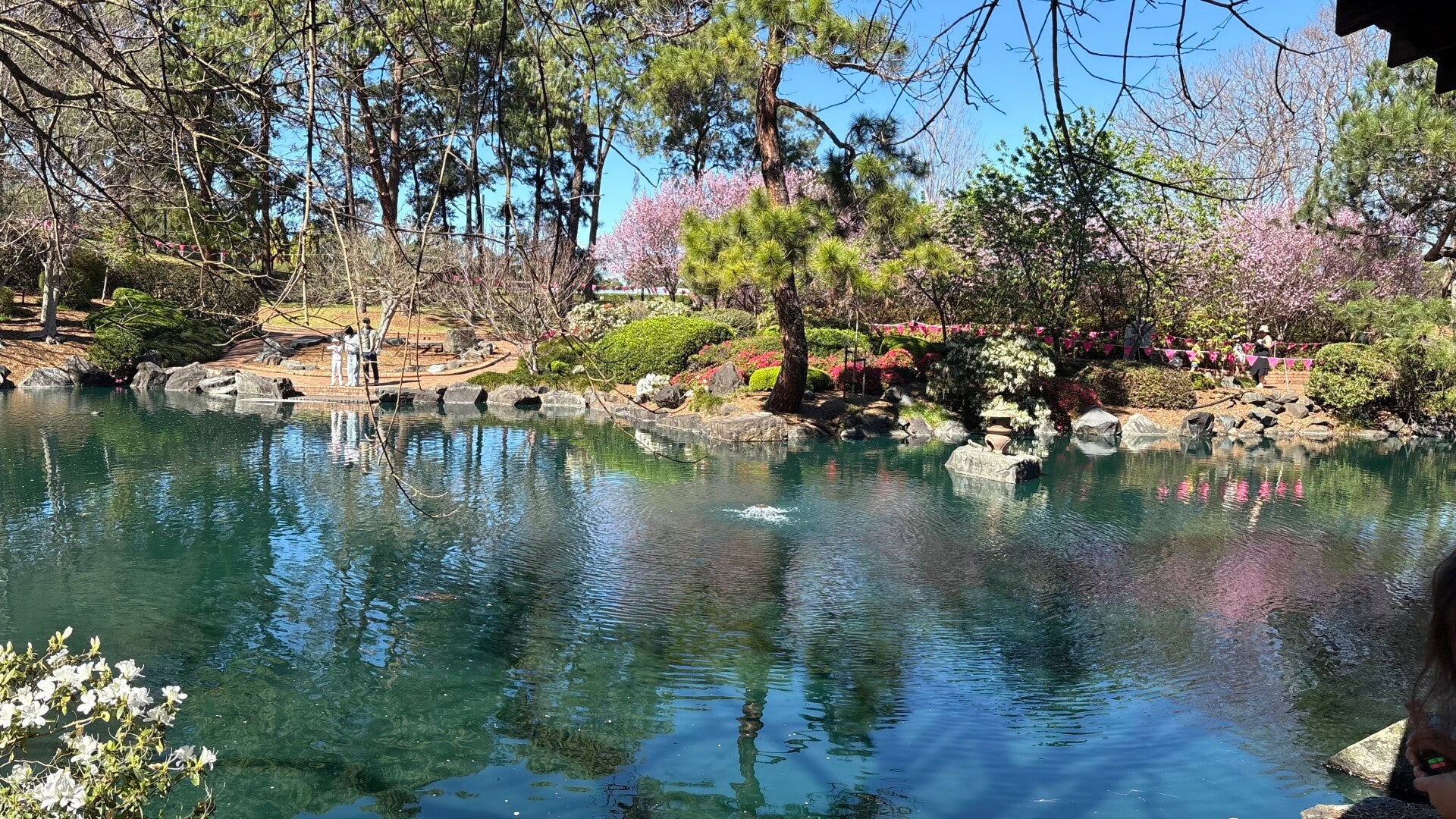
Japanese Garden & Reflective Lake
Geographer's Inquiry:
Which features are natural, human-made or modified? What evidence supports your answer?
Students explore how humans deliberately shape and manage environments. By examining designed waterways, arched bridges, ornamental plantings, and stone pathways, learners distinguish natural geographic elements from human-made features and consider how cultural values shape landscape design.
(Japanese Garden, Auburn Botanic Gardens. Photograph by author, 2026.)
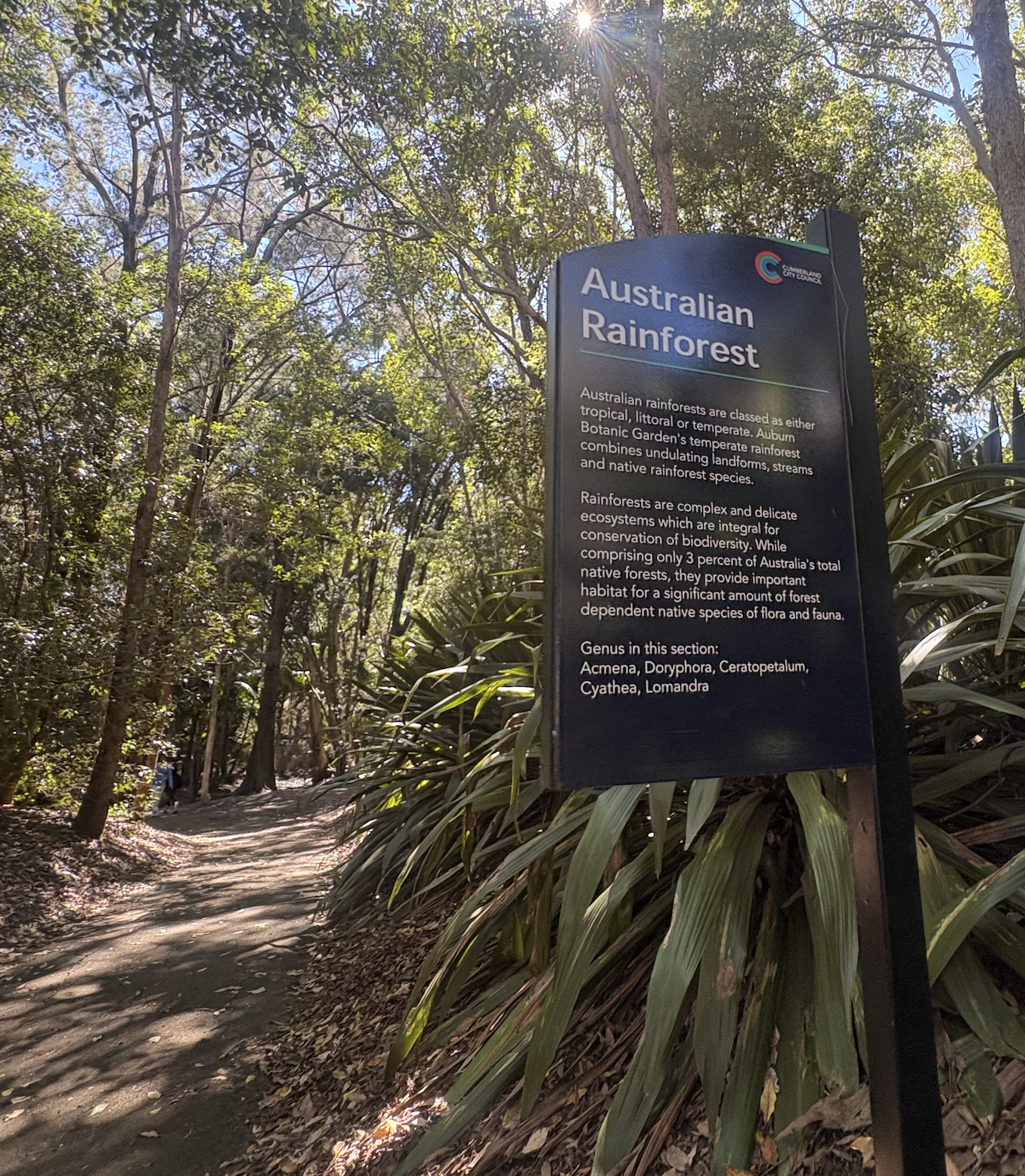
Australian Rainforest & Native Flora
Geographer's Inquiry:
How is this environment different from the Japanese Garden? What geographical evidence can you observe?
Immerse your class in the microclimate of the Australian rainforest and surrounding native plant trails. Students observe dense canopies, moisture retention, and distinct vegetation layers, comparing these adapted native species to the manicured environments found elsewhere in the gardens.
(Japanese Garden, Auburn Botanic Gardens. Photograph by author, 2026.)
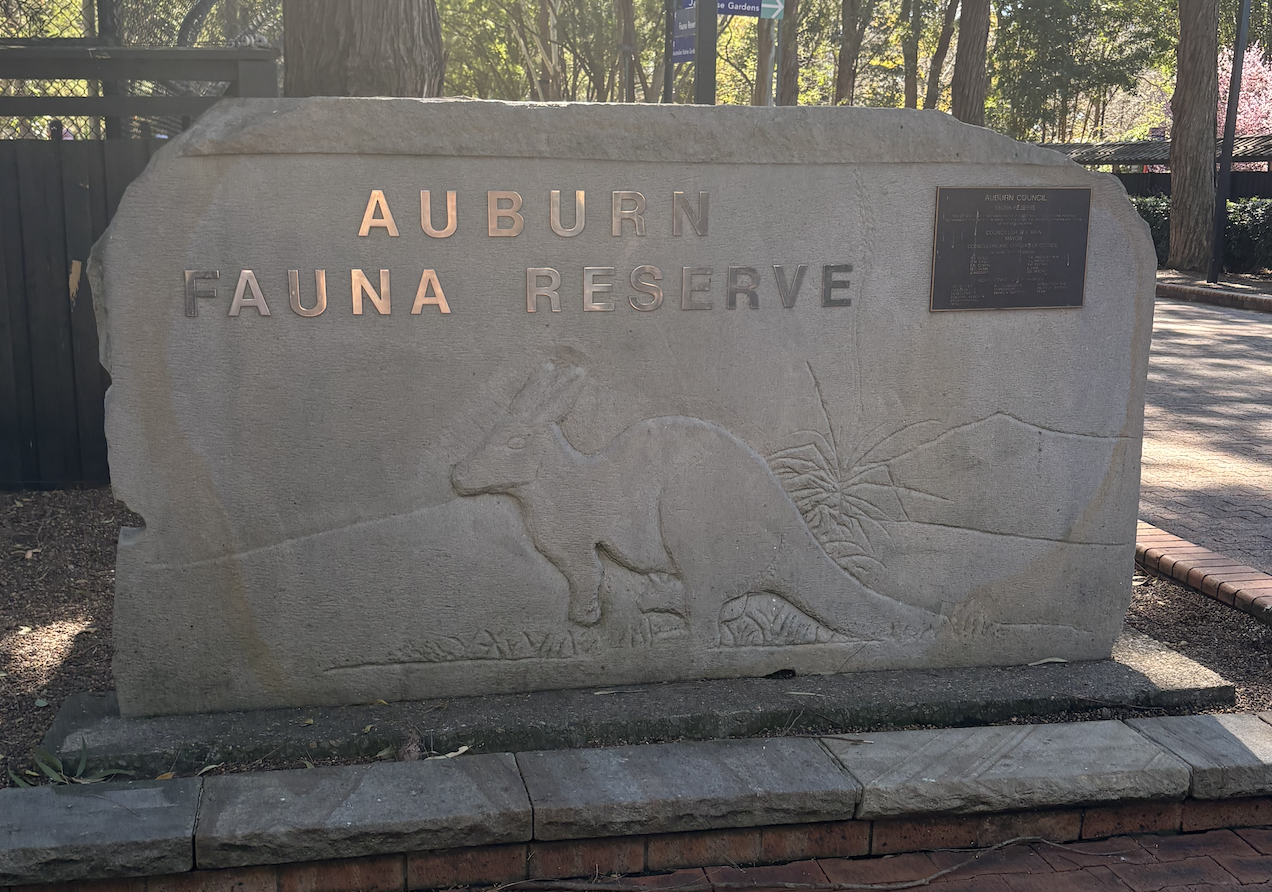
Fauna reserve & habitat management
Geographer's Inquiry:
How does this environment provide for the needs of living things?
Investigate local biodiversity and animal habitats up close. This section enables students to explore the relationships between native fauna and their environment, highlighting the role of sustainable management and conservation practices in protecting Australian living things.
(Japanese Garden, Auburn Botanic Gardens. Photograph by author, 2026.)
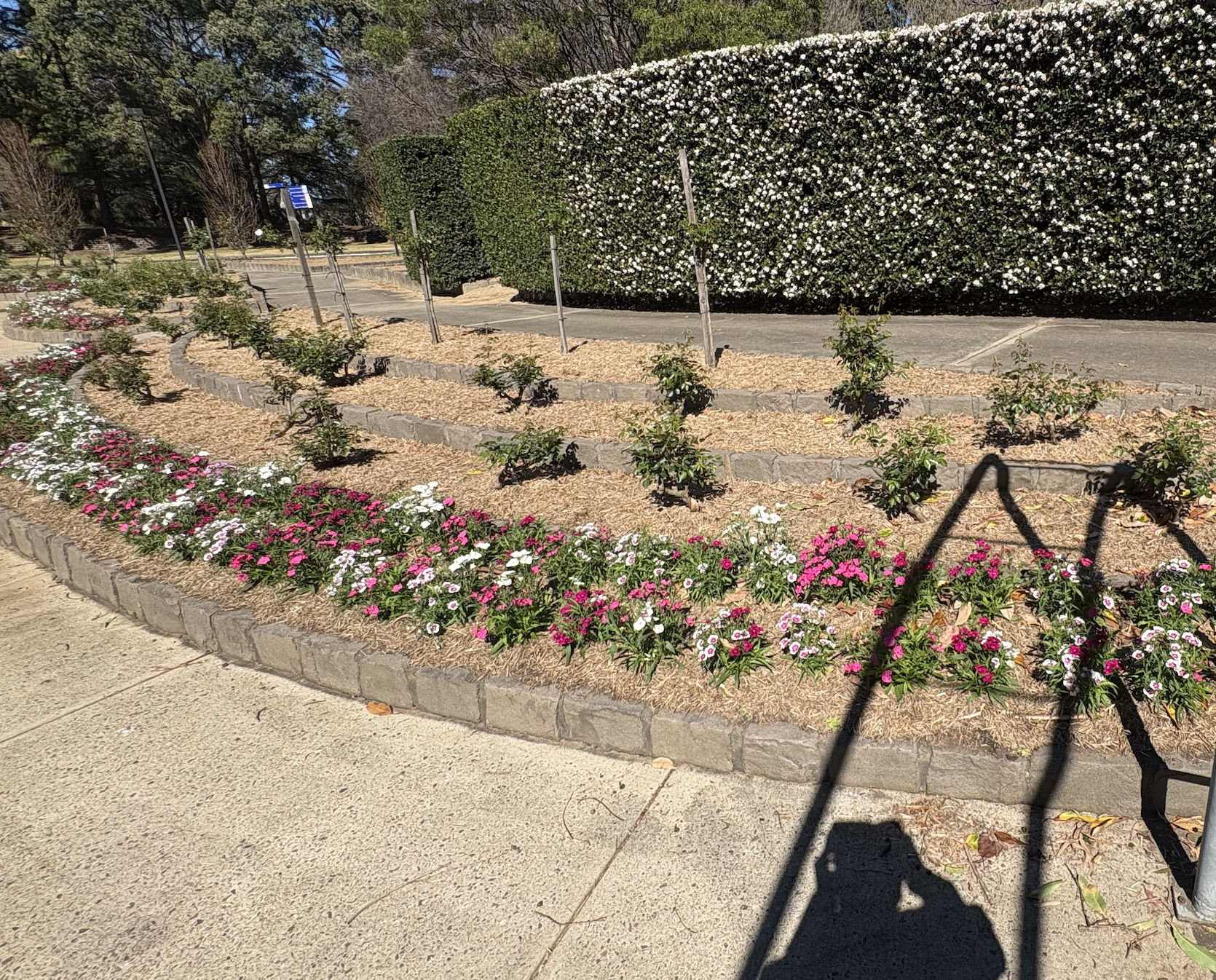
Australian Native Garden
Geographer's Inquiry:
What features help Australian native plants survive in this environment?
Explore Australian native vegetation and investigate how plants are suited to environmental conditions. Students compare this area with the highly modified Japanese Garden and identify similarities and differences between the environments.
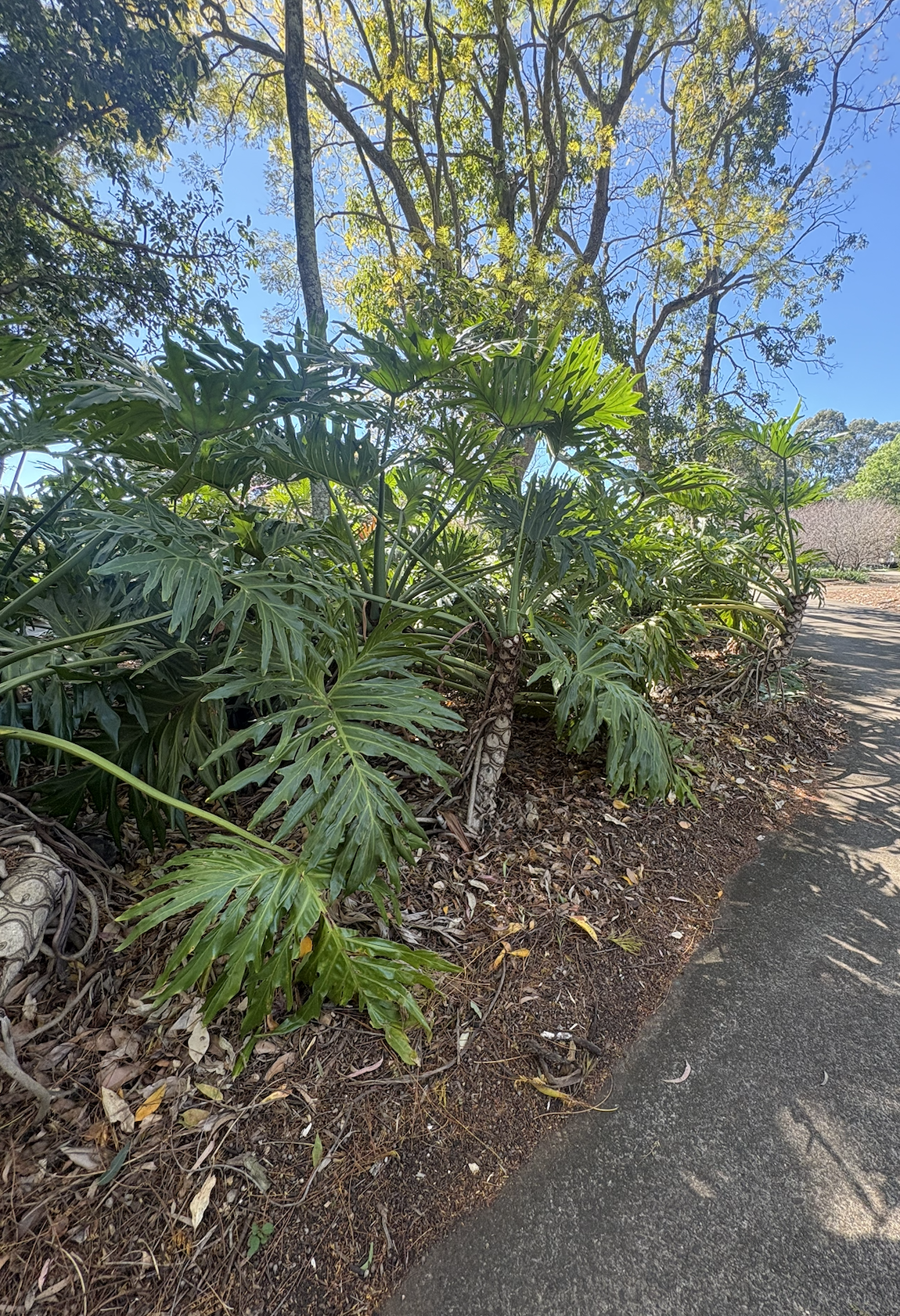
(Japanese Garden, Auburn Botanic Gardens. Photograph by author, 2026.)
Billabong/ Wetland Area
Geographer's Inquiry:
How are water, plants, animals and people connected in this environment?
Investigate the connections between water, vegetation, wildlife and people. Students identify how living things depend on this environment and consider actions that can help protect and care for the area.