

Academic references and source documentation
This curated bibliography documents the curriculum authorities, local government planning frameworks, and pedagogical sources used to construct the Auburn Botanic Gardens Virtual Site Study for Stage 2 Geography and HSIE K–6 learning.
Curriculum Standards and syllabus outcomes
NSW Education Standards Authority. (2024). Human Society and its Environment K–6 Syllabus (2024). NSW Curriculum.
This foundational syllabus source underpins our learning sequence and fieldwork investigations. It articulates the core Stage 2 Geography outcome HS2-GEO-01: "explains how people care for Australia’s environments and participate in Australian society, using geographical information." Please note that the HSIE Stage 2 Syllabus (2024) is currently within its planning and preparation period in 2026, with mandatory statewide implementation taking effect from 2027.
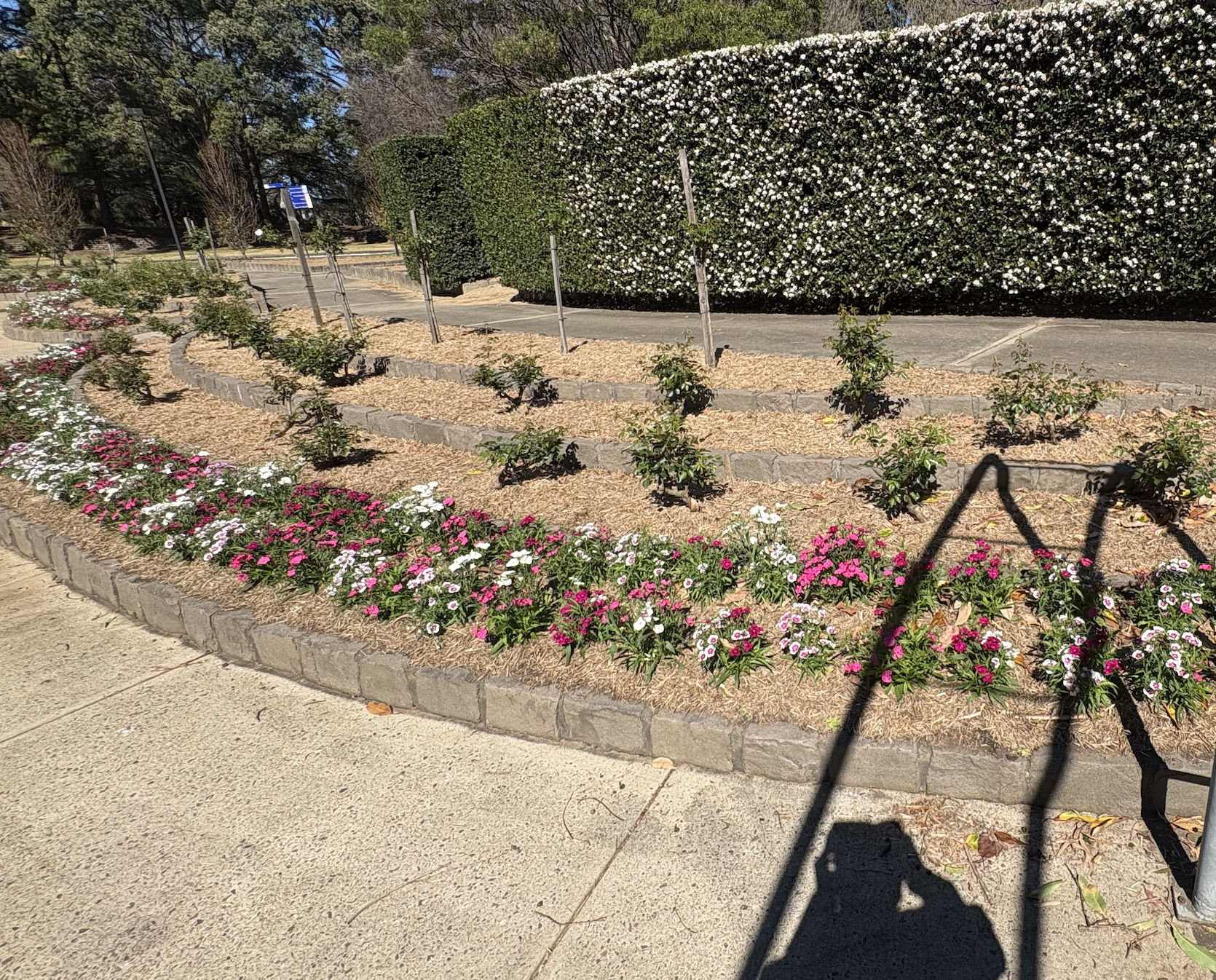
(Japanese Garden, Auburn Botanic Gardens. Photograph by author, 2026.)
Council records and site management
Cumberland Council. (2018). Auburn Botanic Gardens plan of management and precinct guide. Cumberland City Council, Sydney, NSW.
This source provides site-specific information about the development, layout, environmental features and management of Auburn Botanic Gardens. It supports the virtual fieldwork, mapping activities and investigation of how people have shaped and managed the site.
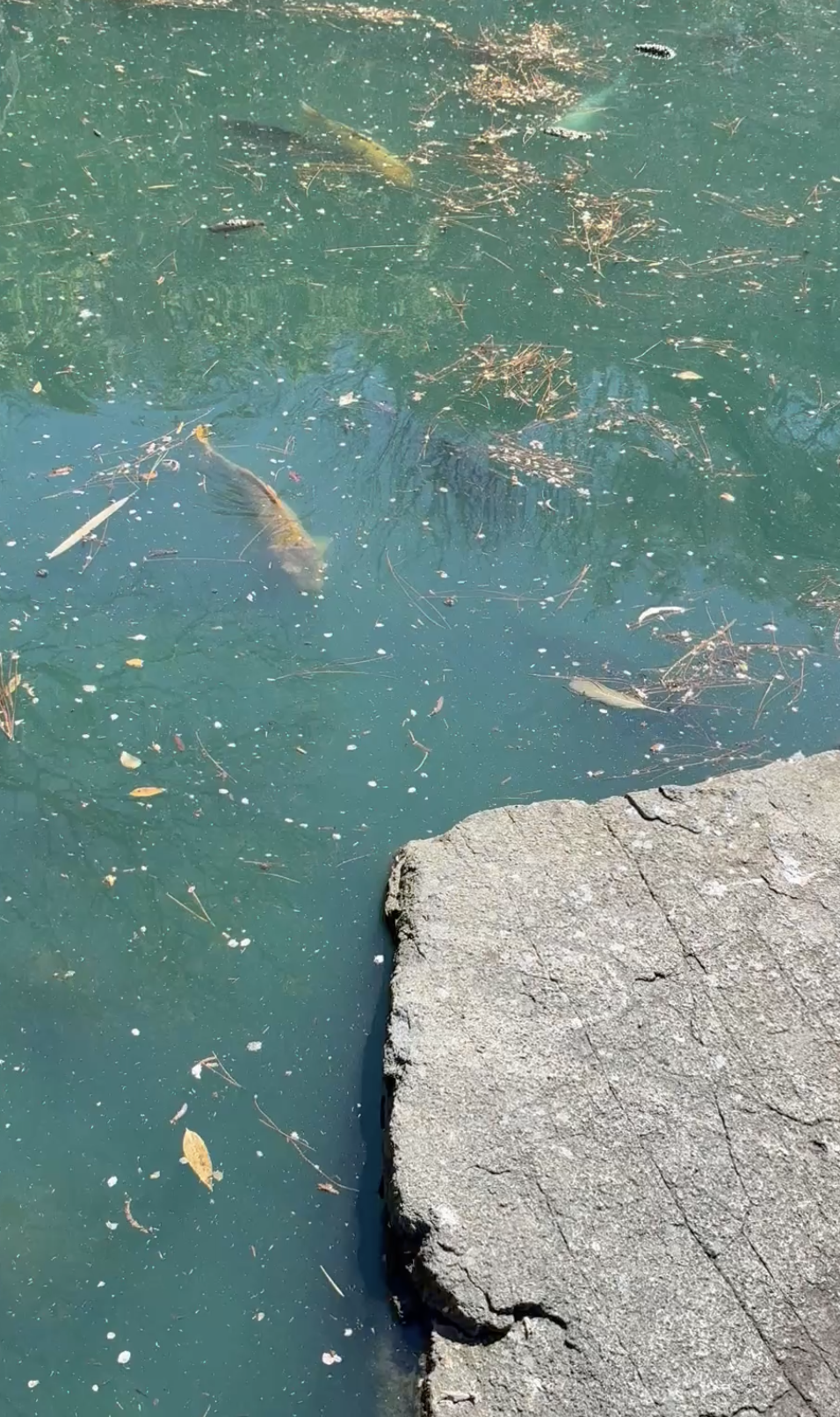
(Japanese Garden, Auburn Botanic Gardens. Photograph by author, 2026.)
Departmental pedagogy and fieldwork resources
Provides active teaching strategies, inquiry question design, and ethical observational techniques. While practical fieldwork protocols originate from established K–6 geographical guidelines, our pedagogical program aligns directly with 2026 preparatory planning for the 2024 syllabus rollout. All site photography, visual cartography, and digital tour records comply with Australian classroom fair dealing standards.
Reference list:
Cheng, K.-H. (2022). Teachers’ perceptions of exploiting immersive virtual field trips for learning in primary education. Journal of Research on Technology in Education, 54(3), 438–455. https://doi.org/10.1080/15391523.2021.1876576
Cumberland Council. (2001). Plan of management for Auburn Botanic Gardens precinct. Plan of Management for Auburn Botanic Gardens Precinct
Cumberland Council. (2018). Auburn Botanic Gardens masterplan report. Auburn Botanic Gardens Masterplan
Cumberland City Council. (2026). Proposed edible garden – Auburn Botanic Gardens. Proposed Edible Garden – Auburn Botanic Gardens
Kidman, G., & Chakraborty, D. (2022). Inquiry-based practices in primary school geography. In G. Kidman & D. Schmeinck (Eds.), Teaching primary geography: Setting the foundation (pp. 95–111). Springer. https://doi.org/10.1007/978-3-030-99970-4_7
NSW Department of Education. (n.d.). A process for geographical inquiry K–6. NSW Government.
NSW Department of Education. (n.d.). Geographical toolkit K–6. NSW Government.
NSW Department of Education. (n.d.). Planning, programming and assessing HSIE K–6 (2024). NSW Government.
NSW Education Standards Authority. (2024). Human Society and its Environment K–6 Syllabus (2024). NSW Curriculum.
OpenAI. (2026). ChatGPT [Large language model].
Preston, L. (2016). Field ‘work’ vs ‘feel’ trip: Approaches to out-of-class experiences in geography education. Geographical Education, 29, 9–22.
Webador. (n.d.). Webador [Website builder].